AI is not separate from transformation. It is accelerating the pace of change and exposing how transformation itself must evolve. Through interviews with senior executives leading enterprise-wide change, Catalyst Constellations identified three emerging patterns shaping the future of transformation.
Access the full report to explore the findings and what they mean for your organization.
Most leaders fund initiatives. Shannon Lucas builds the operating system that makes them land.
Co-founder & CEO of Catalyst Constellations, Shannon has 20+ years driving corporate innovation at Ericsson, Cisco, TMobile, and Vodafone. At Vodafone, she launched the groundbreaking Innovation Champion program, turning a small group of passionate employees into a global, CEO-backed movement that generated millions in new value.
Today she helps enterprises identify and activate Catalysts, the internal change agents who turn strategy into shipped outcomes. Her clients include GE, Citi, and Intel, and TIAA.
She’s the co-author of Move Fast, Break Shit, Burn Out: The Catalyst’s Guide to Working Well (the research behind the Catalyst profile and playbook).
In this episode of the Achieve Podcast, host Taylor Baker speaks with Tracey Lovejoy and Shannon Lucas, co-founders and CEOs of Catalyst Constellations, about their work helping organizations support and empower the “Catalysts” the natural innovators and change agents who drive transformation inside companies. The conversation explores leadership, innovation, and how individuals and organizations can better harness the energy of people who are wired to spark meaningful change.
Tracey Lovejoy, co-CEO of Catalyst Constellations, joined Michael VanDervort on the Drive Thru HR podcast, where they discussed the Human Side of Transformation: Catalysts, AI, and Keeping People at the Center. Listen to the episode on Spotify here.
Shannon Lucas, co-CEO of Catalyst Constellations, joined Ali Juma on The Inner Game of Change podcast, where they discussed AI as a mirror for organizations. Listen to the episode on Spotify here.
When Leaders Talked AI and Sustainability, People Took Center Stage
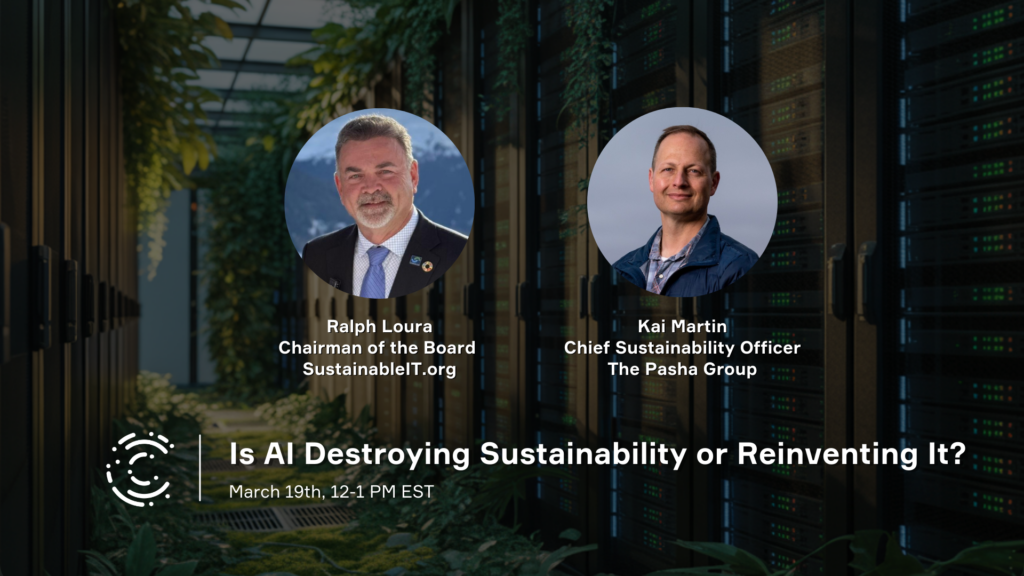
A thoughtful group of executives gathered to wrestle with a question many organizations are now facing: Is AI destroying sustainability or reinventing it?
What followed was not a technical debate. It was a candid conversation about tradeoffs, uncertainty, and the human dynamics that will ultimately determine what happens next.
Our Guest Speakers Set the Stage
Ralph Loura, former CIO of HP, Clorox, and Lumentum and co-founder of SustainableIT.org, and Kai Martin, Chief Sustainability Officer at The Pasha Group, grounded the conversation in both scale and reality. They helped the group move past the headline question and into the harder organizational challenge: how leaders govern, prioritize, and bring people along will matter as much as the technology itself.
Short-Term Pessimism, Long-Term Optimism
When asked whether they felt more optimistic or pessimistic, participants landed in both camps, and that tension felt honest given how much remains unknown.
The J-curve framing resonated: a period of increased cost, complexity, and disruption before longer-term benefits emerge. As one participant put it, “Up front investment is required.” That’s true of AI broadly, and it’s especially true when sustainability outcomes are part of the equation.
What Remains Unresolved
Participants surfaced key uncertainties:
What sustainability will look like through AI rollout and adoption
Who owns:
execution
measurement
data collection
Whether accountability sits internally or is pushed to third parties and suppliers
How increasing politicization of sustainability is shaping expectations and leaving organizations to define their own path forward
The Limits of Individual Action
Even when ownership is defined, leaders are grappling with the limits of their influence.
A small group of major players are driving the majority of AI infrastructure investment
Most organizations are operating at a very different scale
Sustainability outcomes are shaped by an interconnected ecosystem, not any single actor
As one participant reflected, “The scale difference in AI infrastructure spend by the 10-15 top players and everyone else is such a chasm. If major players don’t act, it kind of defeats the purpose.”
Progress depends not just on what any single organization does, but on collective movement across the system.
Which raises an important consideration: How do leaders and organizations take meaningful action in a system where they do not control the biggest levers?
People Will Determine the Outcome
The clearest insight from the room: AI is as much a people challenge as a technology program. As leaders, we have to always be considering how we bring people along and how we ensure we have people that can adapt to the increasing pace of change.
The conversation pointed to the human systems that will shape success:
Executives working together across silos
Incentives that reinforce desired behavior
Hiring and exiting aligned to new realities
Leveraging AI to fill capability gaps
A Practical Path Forward
Even amid uncertainty, a grounded orientation emerged: think globally, act locally. Focus on what’s within your control. Experiment and learn. Share what you discover.
The question isn’t only whether AI will undermine or reinvent sustainability. It’s whether organizations can align their people, incentives, and decision-making fast enough to shape the outcome before it gets shaped for them.
Shannon Lucas shares her experience leading innovation and transformation efforts, highlighting the challenges organizations face, especially the burnout of those driving change. She explores the role of Catalysts and why supporting them, alongside building trust, self-awareness, and adaptability, is critical for making transformation actually work.
This episode explores what it really takes to drive change inside organizations today, and the individuals who naturally step into that role. Shannon Lucas shares practical insights on how these change drivers operate, why they often burn out, and what organizations can do to better support and sustain their impact.
Shannon Lucas and Tracey Lovejoy joined the conversation to explore what it means to be a Catalyst in today’s fast-moving environment. Drawing from their work and Move Fast, Break Shit, they unpack the realities of driving change, why it can feel overwhelming, and how to harness that energy in a way that’s both effective and sustainable.